Media theory
There
are many theory’s used in thriller some of these theory are used in every movie
genre e.g., action adventure, horror, comedy, sci -fi, romance etc. Here below are some of the theories and how
it is used.
Enigma Code
Enigma
codes presents questions to the audience which are then responded shortly after
or later on in the film. For instance, who is he? Where is he going? Why is he
doing that? They're questions permit the spectators to get captivated by the
film and they become more curious with pushes them wanting to watch more of it.
This is the Enigma codes acting because the curiosity pushes them to find out
what happens next in the story and this helps to move the narrative.
There are three different code under the
enigma code.
Roland Bathes code
Definition
of Code – a sign or convention through which the media communicates meaning to
us because we have learned to read it. Technical codes – all to do with the way
a text is technically constructed – camera angles, framing, typography,
lighting etc. Visual codes – codes that are decoded on a mainly connotation
level – things that draw on our experience and understanding of other media
texts, this includes Iconography – which is concerned with the use of visual images
and how they trigger the audiences expectations of a particular genre, such as
a knife in slather horror films.
The
bathes code interpreter that you have a film or story that you can interpret
the whole story in a different way because the message throughout the story
isn't straight forward. Also theirs no begin or ending to the film. This can leave the audience in suspense
depending whether it’s an open or closed story. Which falls into the
Hermeneutic code you keep questioning everything that's happening because the
hermetic code is been thrown in to keep the audience in suspense and questioning
and avoid telling the true fact.
The proairetic code is like the first code but its more in depth than the beginning of the movie. You can also say that the symatic code keeps the audience or reader guessing through the film or story because they are more than one meaning in general. The story line can be anything it’s up to the audience have to try and make out the meaning with all the deviance and clue that's given so far.
However the cultural code is different to hermeneutic code because there’s only one story one truth and the story cannot be interpreted in another way. So the need interpret the stormy line in your own word isn't need, because everything is straight forward.
The proairetic code is like the first code but its more in depth than the beginning of the movie. You can also say that the symatic code keeps the audience or reader guessing through the film or story because they are more than one meaning in general. The story line can be anything it’s up to the audience have to try and make out the meaning with all the deviance and clue that's given so far.
However the cultural code is different to hermeneutic code because there’s only one story one truth and the story cannot be interpreted in another way. So the need interpret the stormy line in your own word isn't need, because everything is straight forward.
On the
other hand, the symbolic code points to many part of the text or scene that can
be interpreted in more than one way. For example inspector call the whole story
was a mystery which was never solved. The inspector Goole as well the Birling
family gave us clues along the way in order to try and solve the mystery, little
did we know that there’s no end to the mystery it’s an open there’s no end to
it because after the inspector makes everyone confesses and Gerald croft comes
in and inform the family about his
latest discovery about the inspector . the family get their confidence back and
as they head toward the study room were the inspector was and they find him
gone and a few minutes later the phone
rings stating that a girl called eva smith is dead and an inspector is coming over
.
Binary Opposites
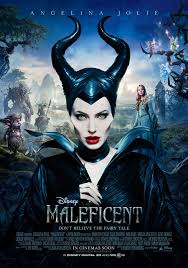 Claude
Levi- staruus was a French anthropologist .he believed that human’s brain relates
every term with other that has opposite meaning. For example left & right,
night & day, sun & moon, they are opposites but it’s not always opposite
often dominant VS subdominant. An example of a movie that clearly demonstrate
this is Maleficent.
Claude
Levi- staruus was a French anthropologist .he believed that human’s brain relates
every term with other that has opposite meaning. For example left & right,
night & day, sun & moon, they are opposites but it’s not always opposite
often dominant VS subdominant. An example of a movie that clearly demonstrate
this is Maleficent.
Binary Opposites

Laura Mulveys : The Male Gaze
 Her theory was that women are viewed as sexual objects of male’s
erotic desires. In a film the camera deliberately act as a Audience is forced
to identify the male gaze whether that be it by the characters or the way the
camera has captured it. E.g. if the camera lingers on the curve of the female
body, events that occur to woman are presented largely in the context of a man’s
reaction to these events.
Her theory was that women are viewed as sexual objects of male’s
erotic desires. In a film the camera deliberately act as a Audience is forced
to identify the male gaze whether that be it by the characters or the way the
camera has captured it. E.g. if the camera lingers on the curve of the female
body, events that occur to woman are presented largely in the context of a man’s
reaction to these events.
Woman are not seen to take the major parts in film, they
always have a side role, they do not move the plot forward. They play passive
roles, only slow the narrative. Cinema
is a male dominated society. E.g. films like North by North west, Indiana Jones , Man of steel , Hercules are all male dominated.


Todorov's narrative theory
His theory was presented in 1969. He believed that this theory can be applied in any type of film. he believed all films follow the same narrative pattern, through various stages:
1) There is a state of equilibrium at the beginning.
2) A disruption of that state by an action.
3) A acknowledgement that the disorder has occurred.
4) An attempt to repair the disorder the disturbance had
made.
5) A return of restoration of a new equilibrium.
for example: Love &Basketball , Toy story , Takers , Orphan etc...


The Mcguffy
The McGuffey is a plot device in the form of some goal design object or other motivator that the protagonist pursues, often with little or no narrative explanation. Hitchcock said the McGuffey is the plot device that causes the action to happen. it usually come in the first part of the film and sometimes return at the end.
Narrative
The classical Hollywood narrative is a dominant form of story telling in cinema that was introduce sometimes between the 1920 to 1930. it follows the unspoken rule which is typically excepted from the audience though it was introduce in the 19 centuries it is still commonly used in today's films.There's a three act structure which shows an obvious format which we are familiar with. another important distinction in narrative is between open and closed texts
- Problem is introduces early in the movies
- Characters work on the problem
- the problem is then later on solved in the end.
Vladimir propps character theory .

No comments:
Post a Comment